
COMPARATIF : PRODUITS LAVE-VAISSELLE
Quel est le meilleur produit lave-vaisselle ?
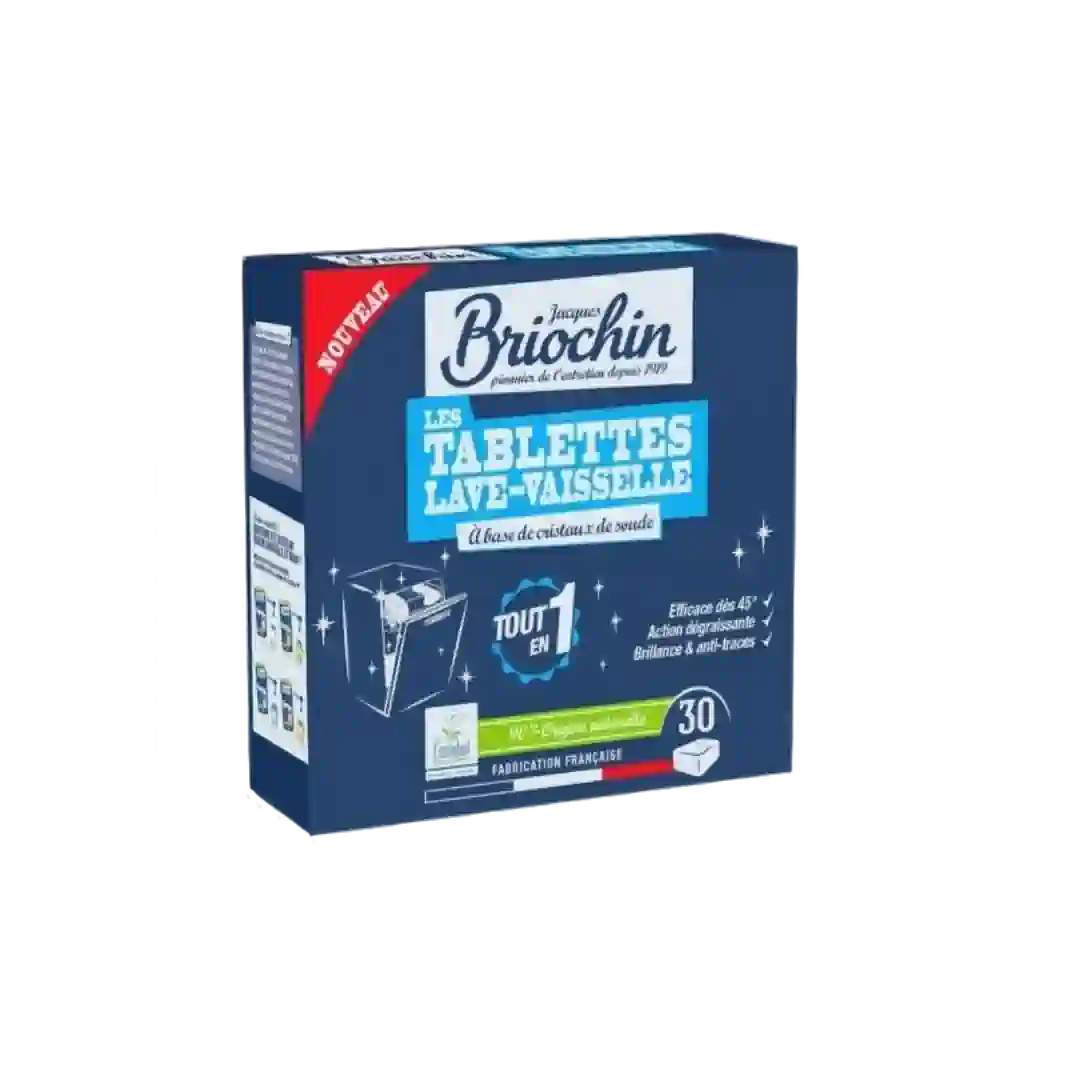
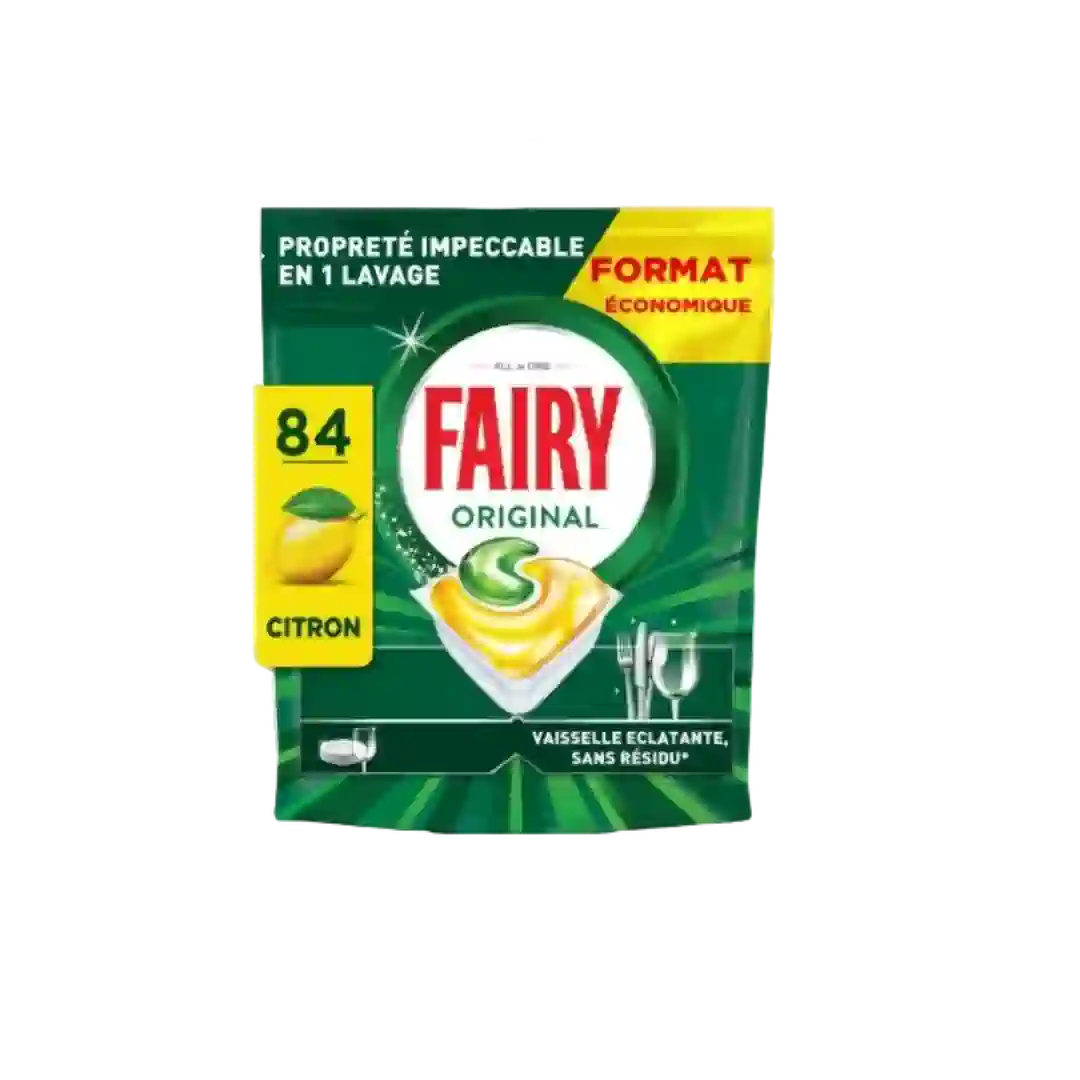
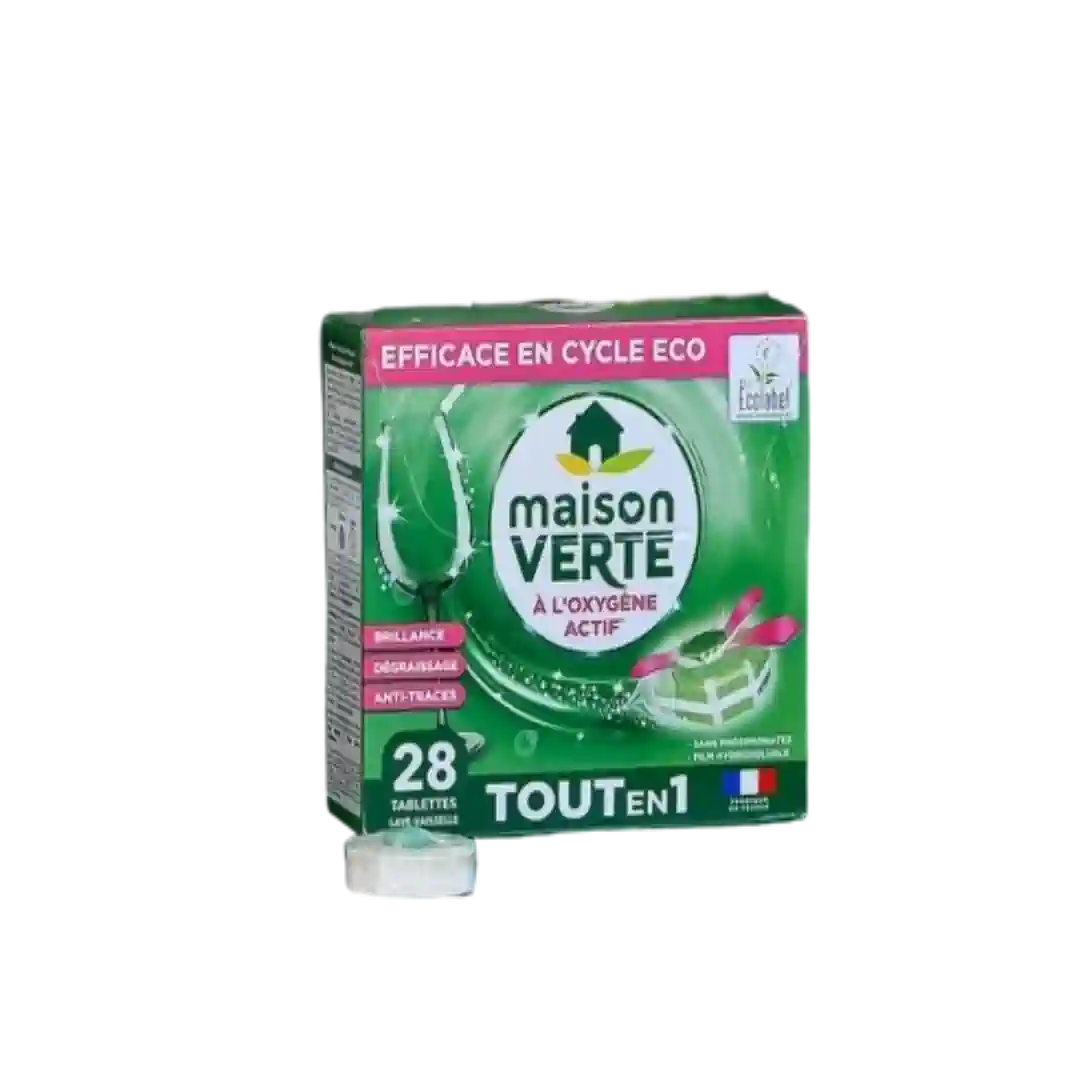
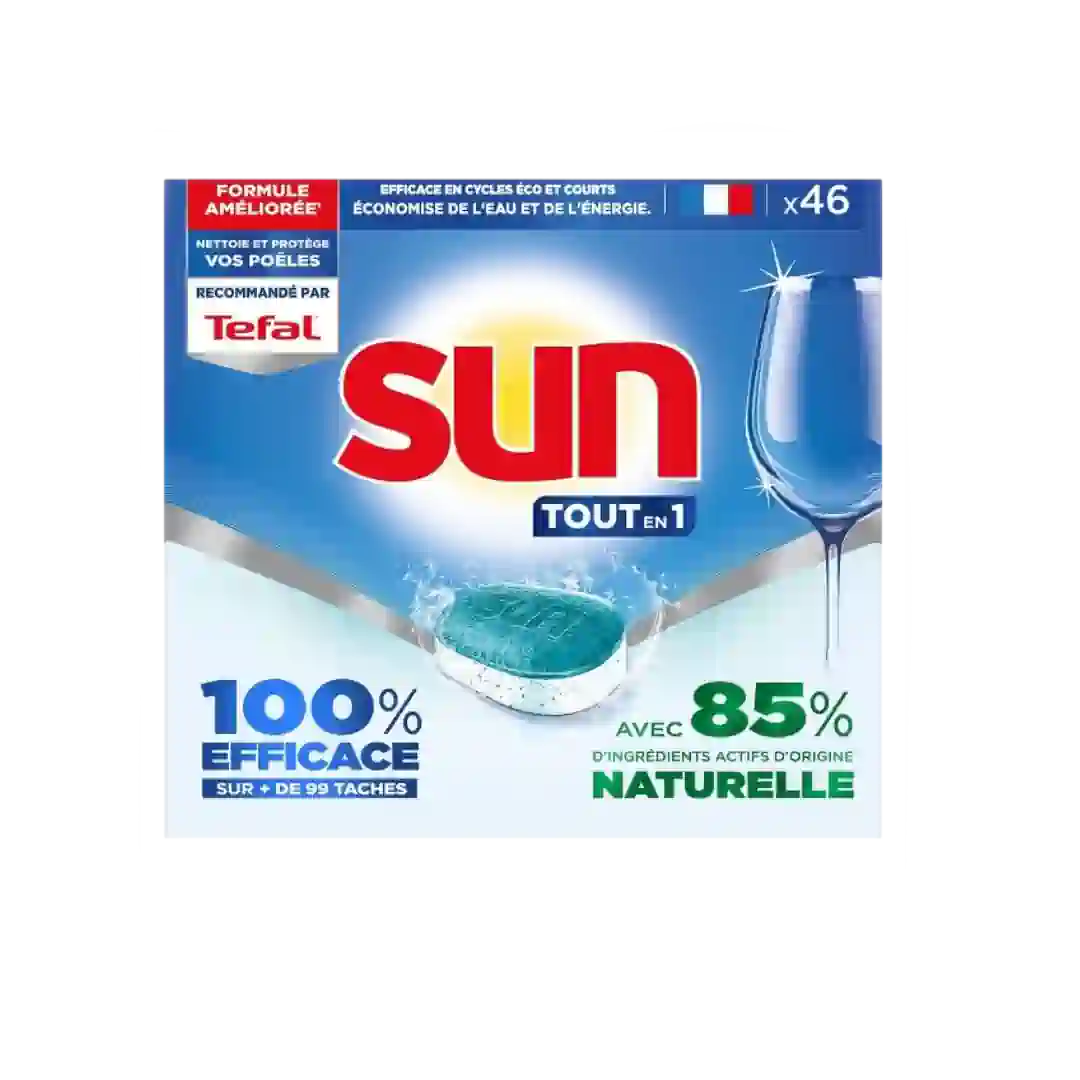
Concernant ces derniers, voici mes analyses compo : Elles reprennent certains produits des marques les plus connues de supermarché comme de vente en ligne, qui pour la plupart se revendiquent bio, naturelle ou « clean ».
Pour information : les enzymes du produit Comme Avant ne sont pas en jaune car certifiées non OGM. Si l’information n’a pas été trouvée sur la fiche produit des autres marques alors l’enzyme est classée jaune (discutable).
Pour rappel, les marques de produits ménagers ne sont pas tenues de donner la composition exacte de leurs produits, contrairement aux cosmétiques.
Code couleur utilisé :
-
🟢 clean
-
🟡 Discutable
-
🟠 Non clean
-
🔴 Très problématique
Certains ingrédients sont contestables au regard de critères objectivables comme la persistance environnementale, le procédé de fabrication – par exemple éthoxylation/alkoxylation -, les impuretés de procédé, ou encore le potentiel de sensibilisation respiratoire en contexte professionnel.
Liste des ingrédients complète non fournie par la marque = attention ! Il est aussi très difficile d’analyser correctement les ingrédients car dans une même famille certains sont problématiques d’autres non. L’utilisation générique de la famille ne permet pas de le determiner et peut fausser le code couleur utilisé.
Les produits lave-vaisselle du commerce


97,9% d’origine naturelle.
Ingrédients : 5-15% agents de blanchiment oxygénés, agents de surface anioniques ; <5% enzymes. Contient aussi sel de carbonate, silicate, séquestrants, correcteur d’acidité, colorant.Agents de surface d’origine végétale.


Les produits lave-vaisselle sur internet
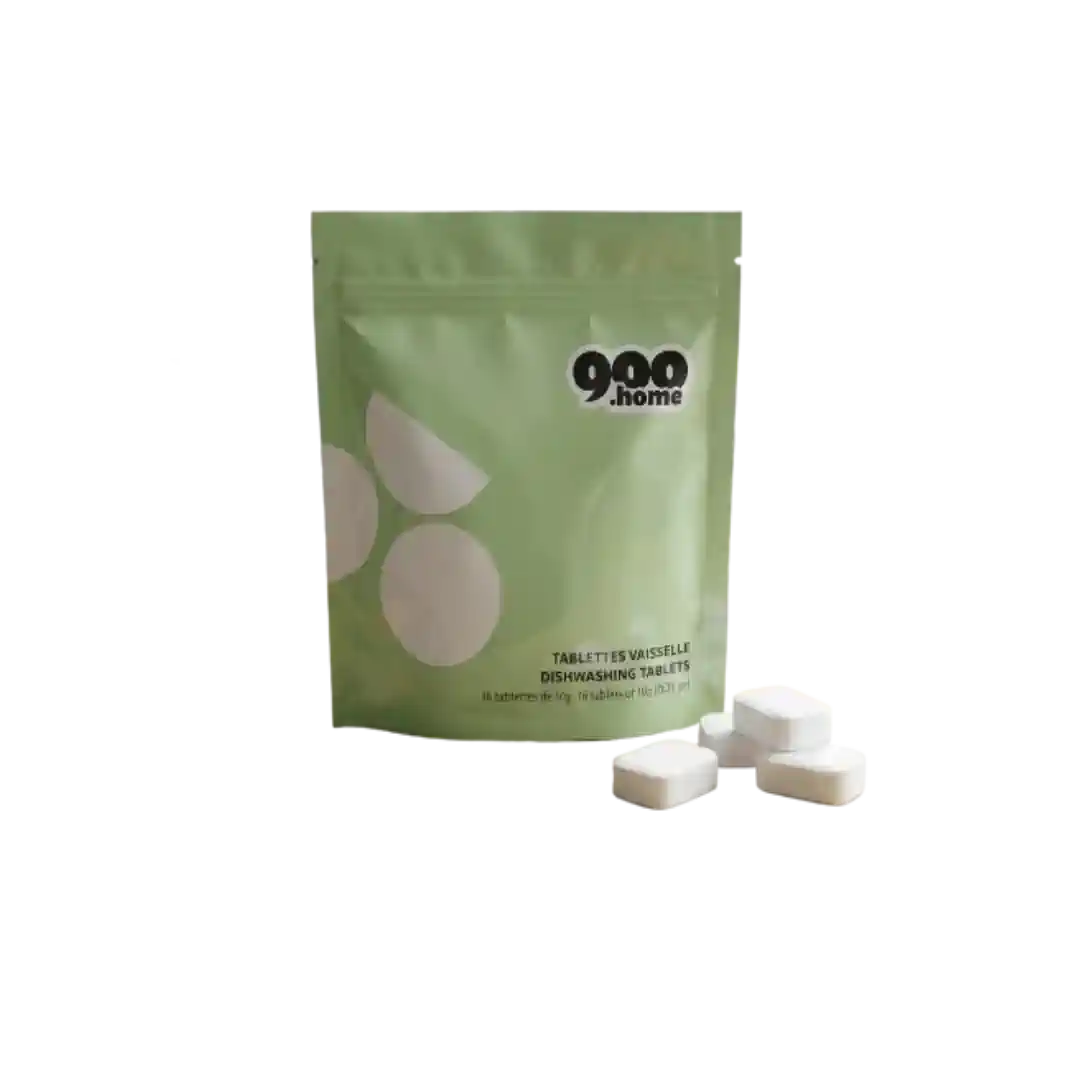
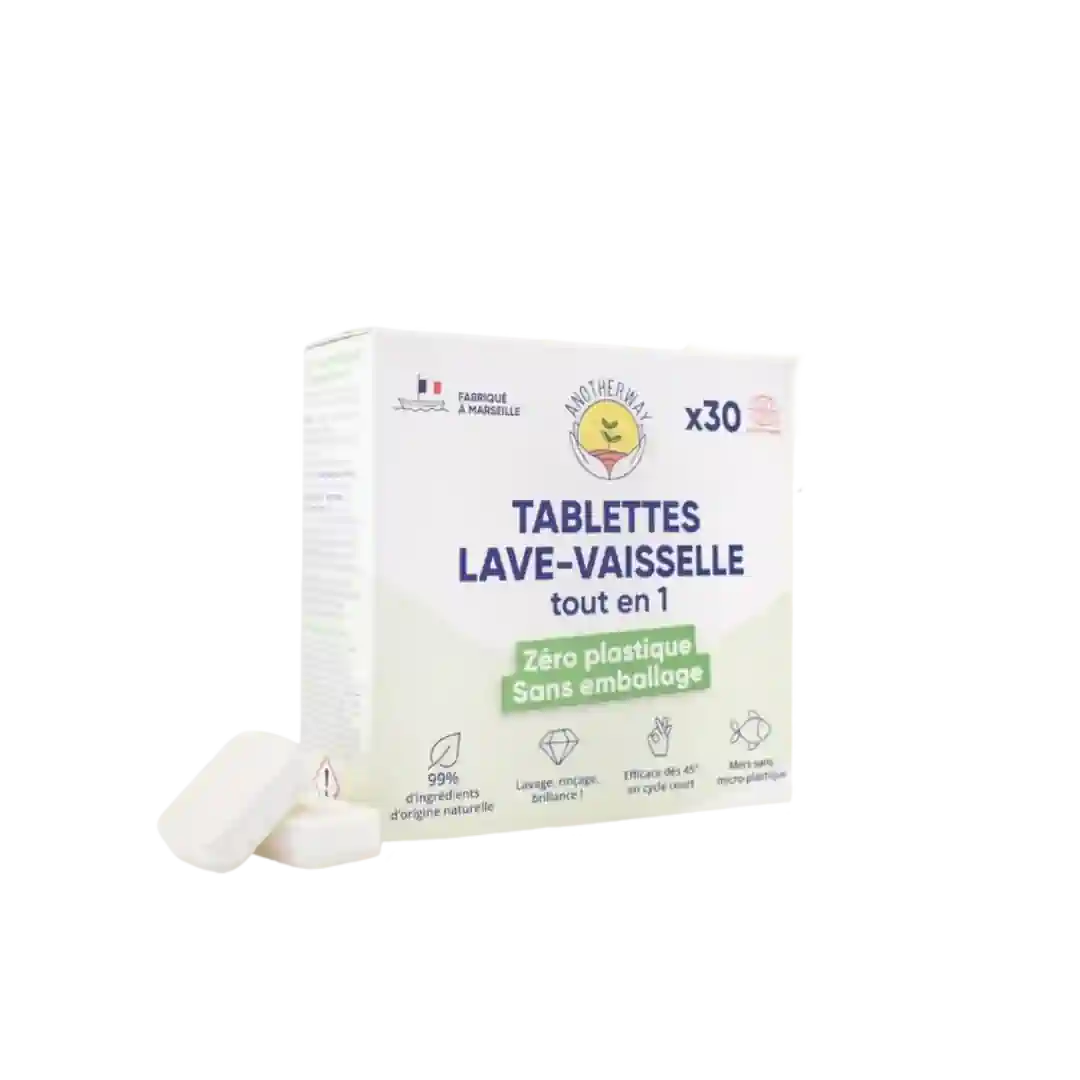

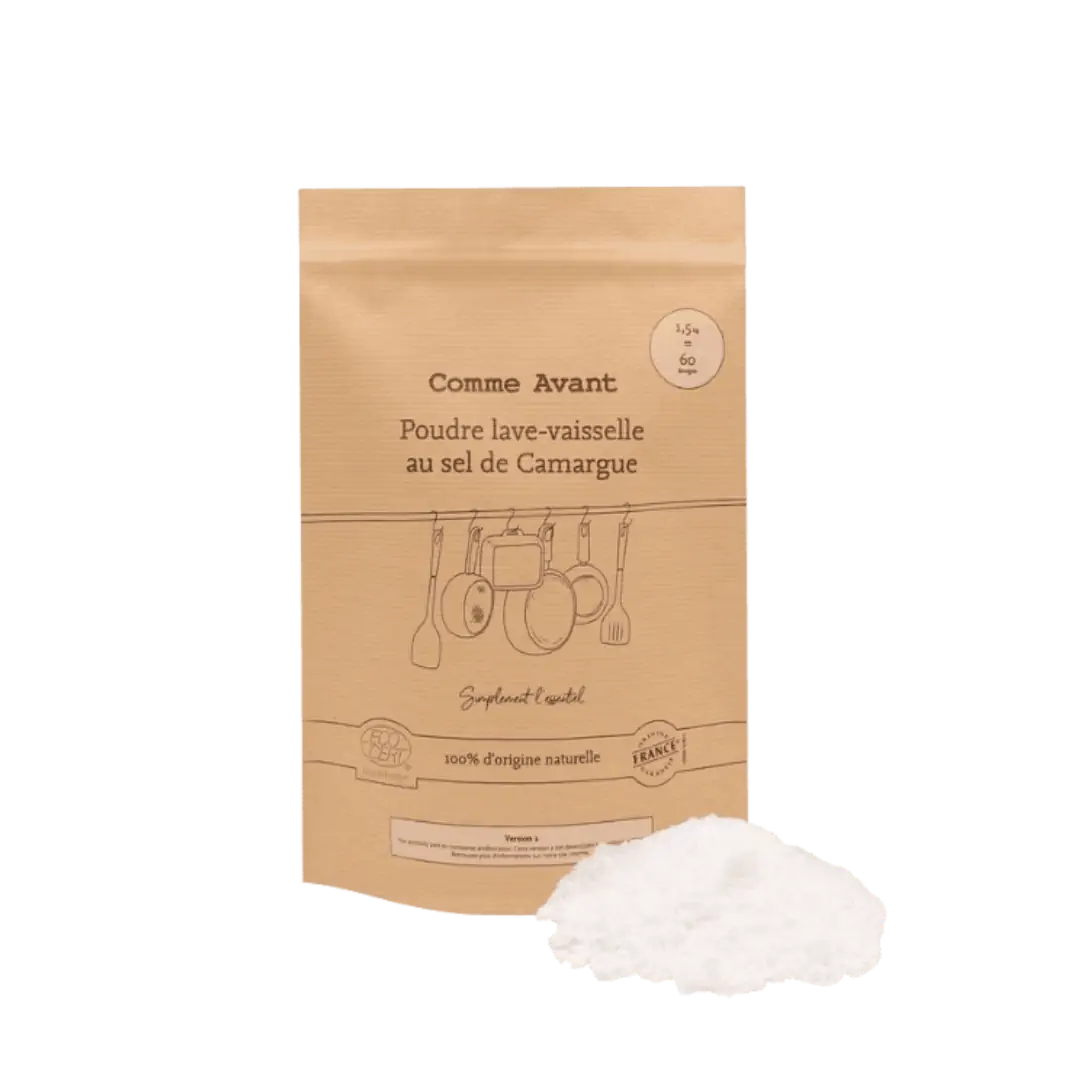
10% de réduction avec le code FAMILLETORTUE (lien affilié)
Ultra clean selon mon cahier des charges.
Comme Avant est un partenaire avec lequel je suis en collaboration commerciale depuis des années, je ne vous incite aucunement à acheter cette marque plutôt qu’une autre de ce comparatif, vous avez votre libre arbitre et êtes autonomes, le choix vous appartient.
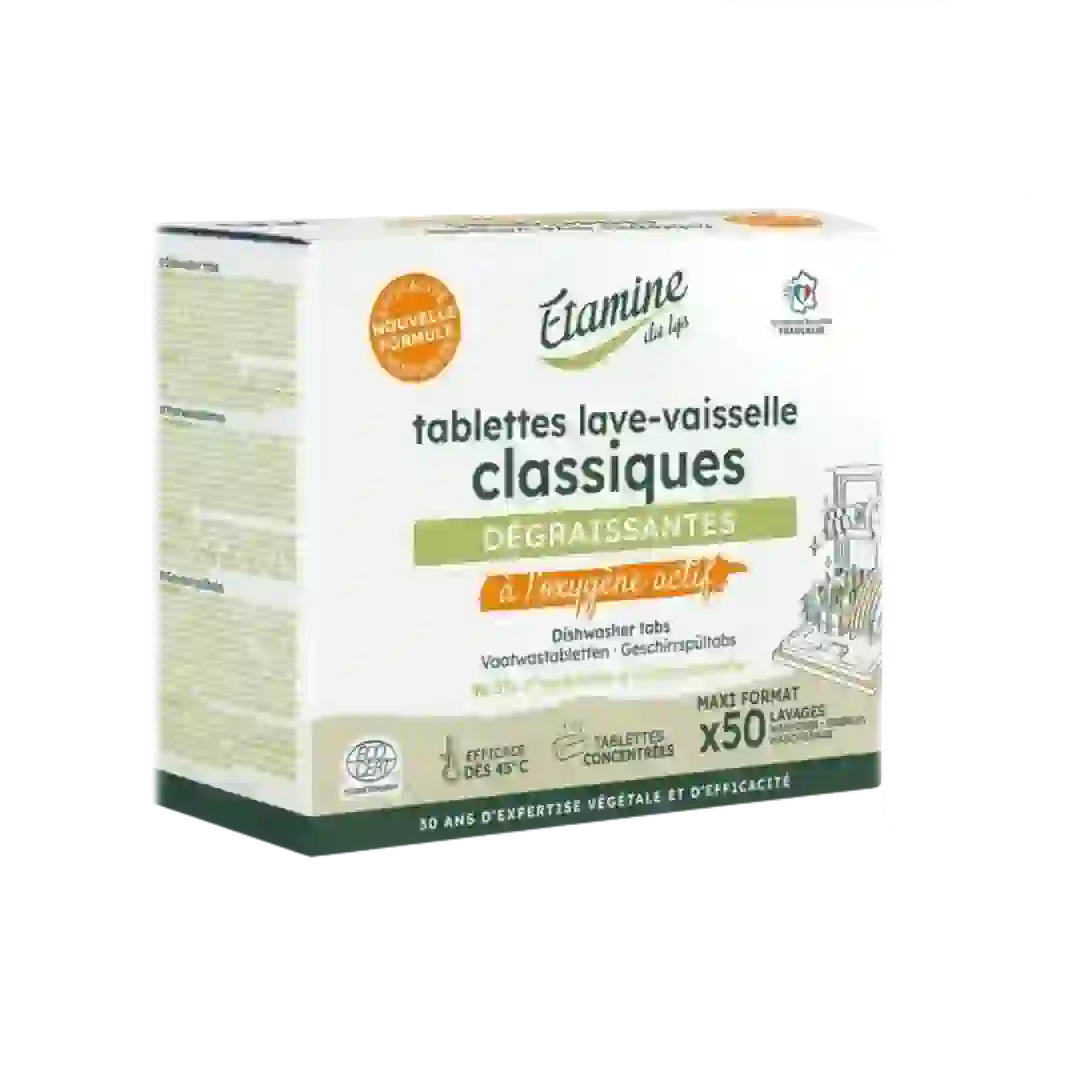

15-<30 % d’agents de blanchiment à base d’oxygène, <5 % d’agents de surface non ioniques, ENZYMES, PARFUM.
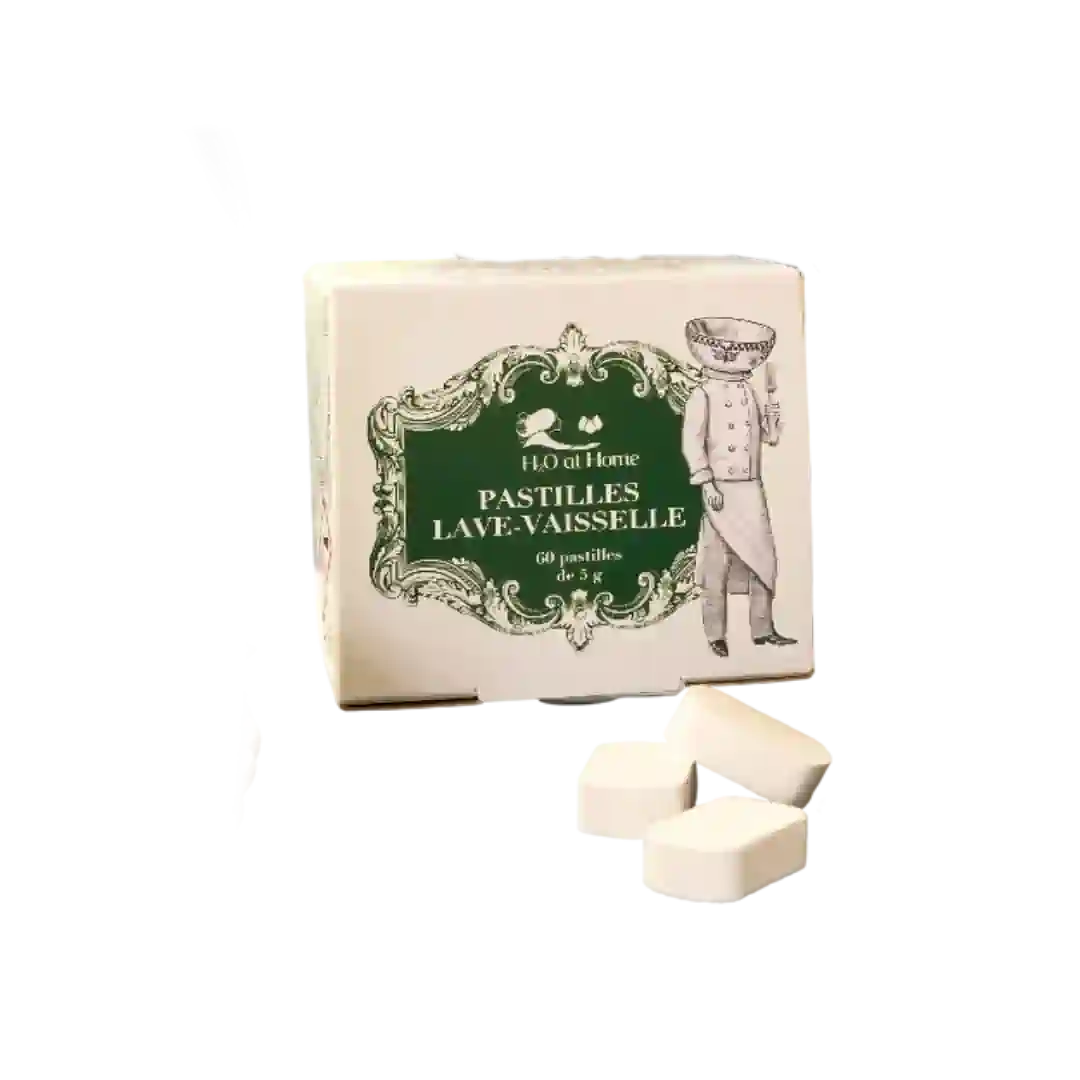
Liste des ingrédients complète non fournie par la marque = attention ! Il est aussi très difficile d’analyser correctement les ingrédients car dans une même famille certains sont problématiques d’autres non. L’utilisation générique de la famille ne permet pas de le determiner et peut fausser le code couleur utilisé.5% ou plus, mais moins de 15% : agents de blanchiment oxygénés. Moins de 5% : agents de surface non ioniques, enzymes. Contient aussi : séquestrants, sels de carbonates, cellulose, agents anti-redéposition, silicates, sels de sulfates.

L’ARTISAN SAVONNIER – Maxi Tablettes 3 En 1
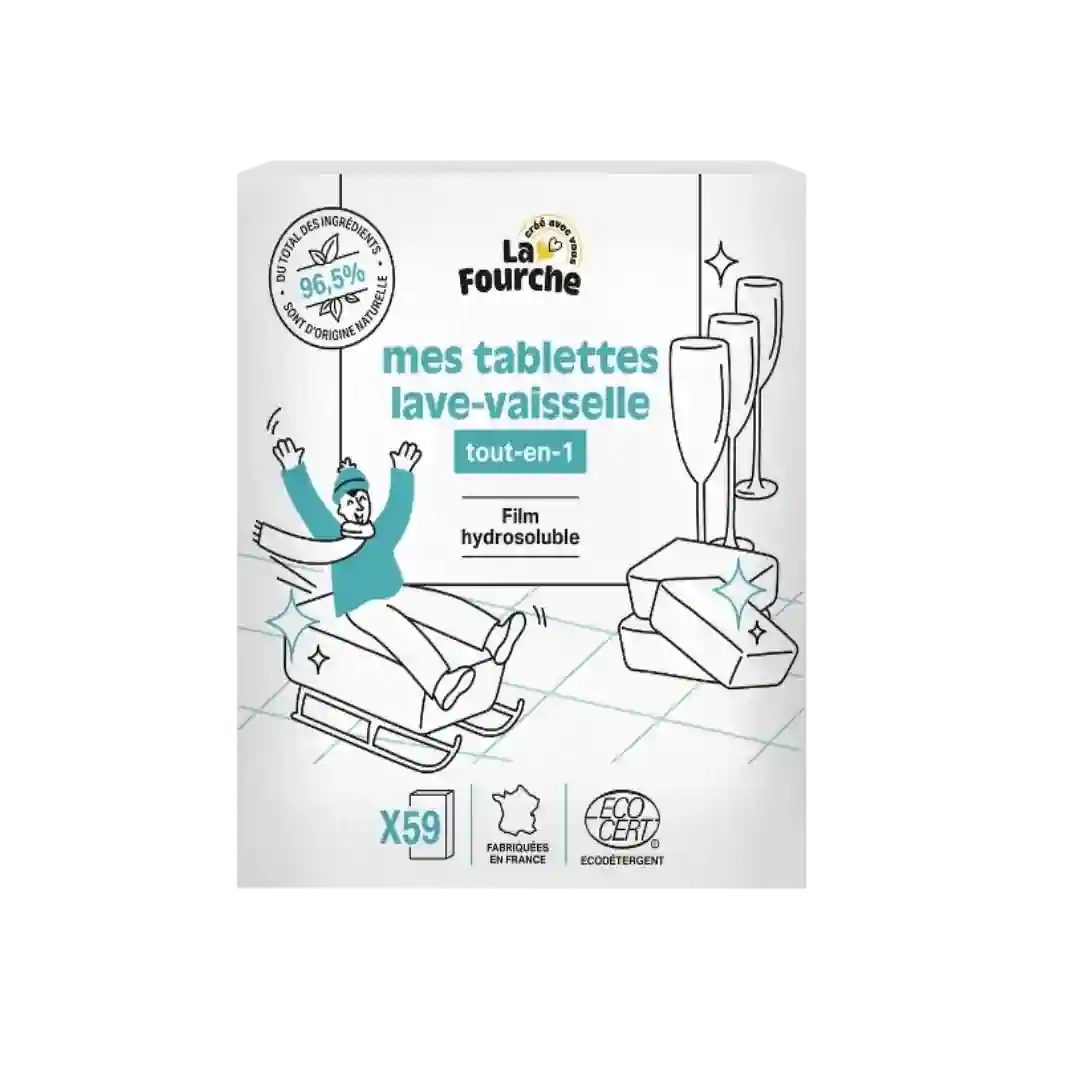
Liste des ingrédients complète non fournie par la marque = attention ! Il est aussi très difficile d’analyser correctement les ingrédients car dans une même famille certains sont problématiques d’autres non. L’utilisation générique de la famille ne permet pas de le determiner et peut fausser le code couleur utilisé.
Agents de blanchiment oxygénés (5% ou plus, mais moins de 15%), Agents de surface anioniques (moins de 5%), Agents de surface non ioniques (moins de 5%), Enzymes, Parfum* (contenant du citral et du limonène)
Egalement composé de sels, de sel de carbonate, de séquestrant, d’eau, de silicate, d’agent anti-redéposition, d’extrait concentré issu de la fermentation des plantes, de magnésium stéarate, de glycérine, de glycol et d’ajusteur de pH.

497-19-8 SODIUM CARBONATE, 6132-04-3 Citrate trisodique dihydrate, 15630-89-4 SODIUM CARBONATE PEROXIDE, 77-92-9 CITRIC ACID, 144-55-8 SODIUM BICARBONATE, 1344-09-8 SODIUM SILICATE, Granulation Excipient, 68439-49-6 ALCOHOLS, C16-18, ETHOXYLATED, Polycarboxylates, 10543-57-4 TAED, 56-81-5 GLYCERIN, 9014-01-1 subtilisine Extraits concentrés issus de fermentation de plantes, 1302-78-9 BENTONITE, 9000-90-2 alpha-amylase

Sodium Citrate, Sodium Carbonate, Sodium Chloride, Sodium Percarbonate, Sodium Silicate, Alkylpolyglucoside C10-16, Eau résiduelle, Sodium Carboxyméthyl inulin, Extracts concentrates from the fermentation of beet juice, Capryloyl/Caproyl Méthyl Glucamide, Sodium C12-18 Alkyl Sulfate, Subtilisine, Sodium Glycolate, Sodium Diglycolate, Propylène Glycol végétal, Alpha Amylase
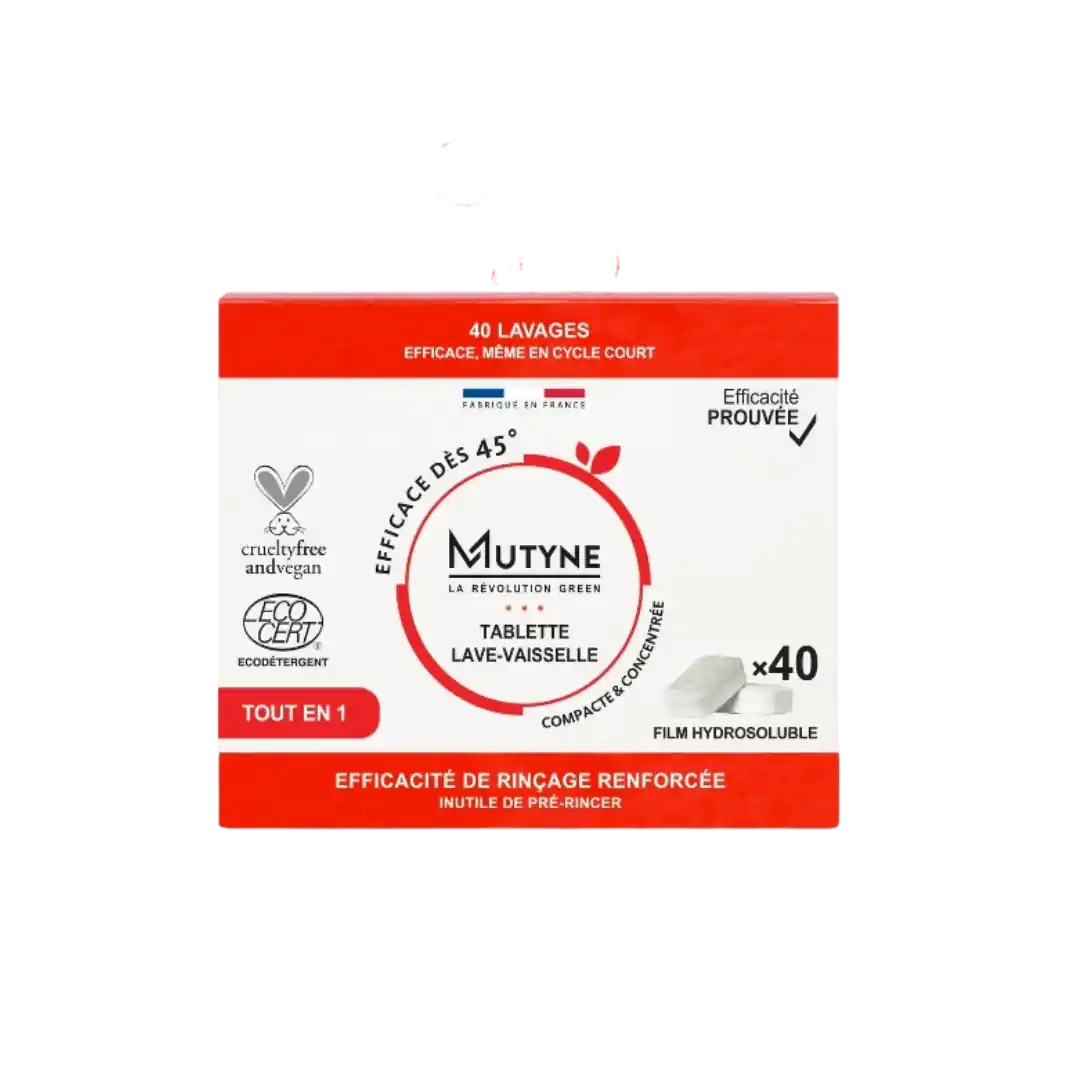
SODIUM CITRATE, SODIUM CARBONATE, SODIUM CARBONATE, PEROXIDE, CELLULOSE, TAED, SODIUM POLYITACONATE, COCO-GLUCODISE, DISODIUM DISILICATE, CETEARETH-25, SODIUM SILICATE, AQUA, SODIUM CARBOXYMETHYL INULIN, SODIUM SULFATE, SUBTILISIN, BENTONITE, SODIUM C12-18 ALKYL SULFATE, SODIUM CHLORIDE, AMYLASE, ALPHA
La marque MUTYNE m’a envoyé le 14 mars 2026 une mise en demeure pour que je retire sa présence de cet article, que je ne parle plus jamais d’eux et que je leur verse 4000€, via leur cabinet d’avocat. Puisqu’ils pensent que mon analyse ne s’appuie sur aucun fondement scientifique, voici plus d’info sur chaque ingrédient mis en lumière :
Tetraacetylenediamine (TAED) : agent de blanchiment/activateur de peroxydes relevant d’une chimie de synthèse. Le TAED est une molécule entièrement synthétique produite par acétylation chimique, ce que je considère comme incompatible avec une communication marketing basée sur la naturalité.
SODIUM C12-18 ALKYL SULFATE : Tensioactif sulfate irritant pour la peau et les yeux et pouvant présenter une toxicité pour les organismes aquatiques.
Sodium Sulfate : il est indiqué sur les FDS de cet ingrédient de ne pas le rejeter dans les eaux usées, c’est pourtant ce qui est fait avec l’eau du lave vaisselle.
CETEARETH-25: Peut être critiqué au regard d’un procédé d’éthoxylation susceptible de générer des impuretés indésirables, et au regard d’un profil écotoxique de tensioactif synthétique.
Amylase : allergisante potentiel, potentiels OGM ( problématique éthique.)
SODIUM C12-18 ALKYL SULFATE : European Chemicals Agency (ECHA) Substance Information – Sodium C12-18 Alkyl Sulfate.
Classification : Skin Irrit. 2 ; Eye Dam. 1 ; Aquatic toxicity.
Alkyl Sulfates SIDS Initial Assessment Report
Organisation for Economic Co-operation and Development.
Alkyl Sulfates Category – Screening Information Dataset.
Cosmetic Ingredient Review
Safety Assessment of Alkyl Sulfates as Used in Cosmetics.
International Journal of Toxicology.
Éthoxylation / alkoxylation / 1,4-dioxane U.S. Food and Drug Administration (FDA). (2022). 1,4-Dioxane in Cosmetics: A Manufacturing Byproduct. U.S. Food and Drug Administration.
Scientific Committee on Consumer Safety (SCCS). (2015). Considerations on Acceptable Trace Level of 1,4-Dioxane in Cosmetic Products. SCCS/1570/15. European Commission.
Wilbur, S., Jones, D., Risher, J. F., Crawford, J., Tencza, B., Llados, F., Diamond, G. L., Citra, M., Osier, M. R., Lockwood, L. O. (2012). Toxicological Profile for 1,4-Dioxane. Atlanta (GA): Agency for Toxic Substances and Disease Registry (US).
Amylase Singh, R., Kumar, M., Mittal, A., Mehta, P. K. (2016). Microbial enzymes: industrial progress in 21st century. 3 Biotech, 6, 174. doi: 10.1007/s13205-016-0485-8.
Inf’OGM. (2023). GMO-derived enzymes used in food and feed.
Houba, R., Heederik, D. J., Doekes, G., van Run, P. E. (1996). Exposure-sensitization relationship for alpha-amylase allergens in the baking industry. American Journal of Respiratory and Critical Care Medicine, 154(1), 130-136. doi: 10.1164/ajrccm.154.1.8680668.
Blanco Carmona, J. G., Juste Picón, S., Garcés Sotillos, M. (1991). Occupational asthma in bakeries caused by sensitivity to alpha-amylase. Allergy, 46(4), 274-276. doi: 10.1111/j.1398-9995.1991.tb00585.x.
EFSA Panel on Food Enzymes (FEZ), Zorn, H., Barat Baviera, J. M., Bolognesi, C., Catania, F., Gadermaier, G., Greiner, R., Mayo, B., Mortensen, A., Roos, Y. H., Solano, M. L. M., Van Loveren, H., Vernis, L., Fernández-Fraguas, C., Cavanna, D., Multari, S., Precup, G., Liu, Y. (2025). Safety evaluation of the food enzyme α-amylase from the genetically modified Bacillus licheniformis strain CCTCC M 2023118. EFSA Journal, 23(11), e9721. doi: 10.2903/j.efsa.2025.9721.
TAED European Chemicals Agency (ECHA). Tetraacetylethylenediamine – Substance Information. European Chemicals Agency, Helsinki.
Kirk-Othmer Encyclopedia of Chemical Technology. (1992). Bleaching Agents and Activators. John Wiley & Sons.
Davies, D. M., Deary, M. E. (1991). Kinetics of the hydrolysis and perhydrolysis of tetraacetylethylenediamine, a peroxide bleach activator. Journal of the Chemical Society, Perkin Transactions 2, 1549-1552.
European Patent Office. (1983). Process for the preparation of purified tetraacetylethylenediamine. European Patent EP0070432A1.
Sodium sulfate Information en matière de sécurité donnée volontairement au sens du formulaire FDS conformément au Règlement (CE) N° 1907/2006 (REACH) Sodium sulfate ≥99 %, p.a., ACS, ISO, poudre, anhydre numéro d’article: 8560 Version: 5.1 fr Remplace la version de: 01.03.2024 Version: (5) date d’établissement: 16.10.2015 Révision: 17.09.2024
FICHES DE DONNEES DE SECURITE conformément au Règlement (CE) No. 1907/2006Date de préparation 16-juin-2009 Date de révision 20-oct.-2023 Numéroderévision11SECTION 1: IDENTIFICATION DE LA SUBSTANCE/DU MÉLANGEETDELASOCIÉTÉ/L’ENTREPRISE1.1. Identificateur de produit Description du produit: Sodium sulfate anhydre Cat No. : S/6650/53, S/6650/60, S/6650/65, S/6650/70 Synonymes Dibasic sodium sulfate; Disodium monosulfate; Bisodium sulfate Numéro CAS 7757-82-6 N° CE 231-820-9 Formule moléculaire Na2 O4 S Numéro d’enregistrement REACH 01-2119519226-43-0106

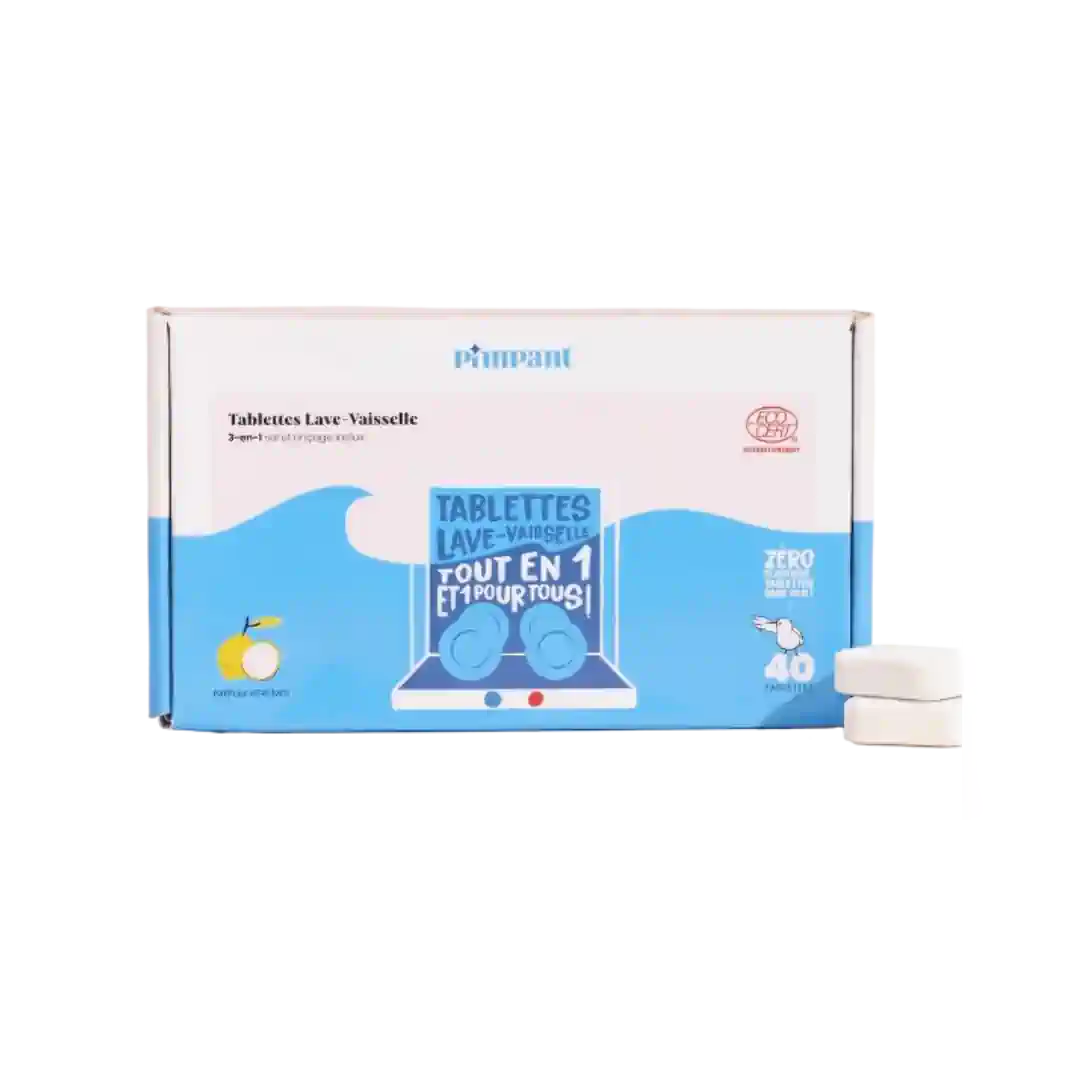
Contient également : sels, sel de carbonate, séquestrants, silicate, cellulose, poudre de pulpe de racine de betterave, agent anti redéposition, magnésium stéarate, glycérine, glycol, ajusteur de pH.
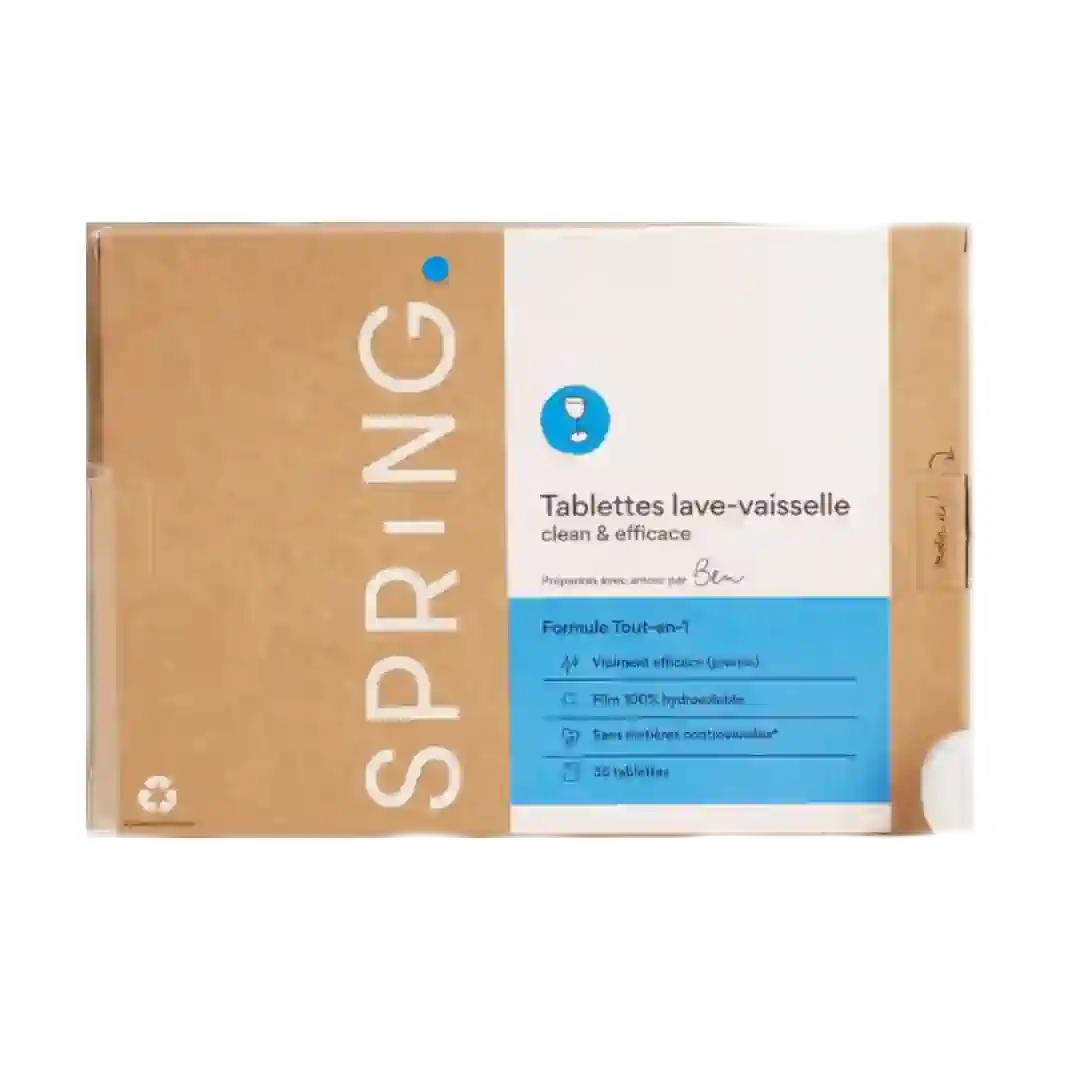
La marque SPRING m’a envoyé le 11 mars 2026 une mise en demeure pour que je retire sa présence de cet article et que je ne parle plus jamais d’eux, via leur cabinet d’avocat. Puisqu’ils pensent que mon analyse ne s’appuie sur aucun fondement scientifique, voici plus d’info sur chaque ingrédient mis en lumière :
Sodium Polyacrylate : Polymère synthétique persistant, peu biodégradable, donc critiquable surtout pour son profil environnemental.
Tetraacetylenediamine (TAED) : agent de blanchiment/activateur de peroxydes relevant d’une chimie de synthèse. Le TAED est une molécule entièrement synthétique produite par acétylation chimique, ce que je considère comme incompatible avec une communication marketing basée sur la naturalité.
alcohols C8-C14 alkoxilated : ingrédient de synthèse alkoxylé, procédé pouvant générer des résidus indésirables, écotoxicité aquatique de classe.
Copolymer of acrylic and sulphonic acids: polymère synthétique persistant, faible biodégradabilité probable, profil environnemental imparfait.
Sodium Sulfate : il est indiqué sur les FDS de cet ingrédient de ne pas le rejeter dans les eaux usées, c’est pourtant ce qui est fait avec l’eau du lave vaisselle.
Ethoxylated fatty alcohol : Peut être critiqué au regard d’un procédé d’éthoxylation susceptible de générer des impuretés indésirables, et au regard d’un profil écotoxique de tensioactif synthétique.
Subtilisine & Amilase : allergisante potentiel, potentiels OGM ( problématique éthique.)
Silicon dioxide : ingrédient minéral très transformé technique, issu de ressources minières. Le dioxyde de silicium utilisé industriellement provient majoritairement de l’extraction minière de quartz ou de sable siliceux, ce qui peut entraîner des impacts environnementaux (destruction d’habitats, pollution, émissions liées aux procédés industriels).
Polymères acryliques / sodium polyacrylate Rozman, U., Kalčíková, G. (2021). The first comprehensive study evaluating the ecotoxicity and biodegradability of water-soluble polymers used in personal care products and cosmetics. Ecotoxicology and Environmental Safety, 228, 113016. doi: 10.1016/j.ecoenv.2021.113016.
Gaytán, I., Burelo, M., Loza-Tavera, H. (2021). Current status on the biodegradability of acrylic polymers: microorganisms, enzymes and metabolic pathways involved. Applied Microbiology and Biotechnology, 105(3), 991-1006. doi: 10.1007/s00253-020-11073-1.
European Chemicals Agency (ECHA). 2-Propenoic acid, homopolymer, sodium salt – Substance Information. European Chemicals Agency, Helsinki.
Éthoxylation / alkoxylation / 1,4-dioxane U.S. Food and Drug Administration (FDA). (2022). 1,4-Dioxane in Cosmetics: A Manufacturing Byproduct. U.S. Food and Drug Administration.
Scientific Committee on Consumer Safety (SCCS). (2015). Considerations on Acceptable Trace Level of 1,4-Dioxane in Cosmetic Products. SCCS/1570/15. European Commission.
Wilbur, S., Jones, D., Risher, J. F., Crawford, J., Tencza, B., Llados, F., Diamond, G. L., Citra, M., Osier, M. R., Lockwood, L. O. (2012). Toxicological Profile for 1,4-Dioxane. Atlanta (GA): Agency for Toxic Substances and Disease Registry (US).
Subtilisine Singh, R., Kumar, M., Mittal, A., Mehta, P. K. (2016). Microbial enzymes: industrial progress in 21st century. 3 Biotech, 6, 174. doi: 10.1007/s13205-016-0485-8.
EFSA Panel on Food Enzymes (FEZ). (2026). Safety evaluation of the food enzyme subtilisin from the genetically modified Bacillus paralicheniformis strain AP-GKY. EFSA Journal.
Inf’OGM. (2023). GMO-derived enzymes used in food and feed.
Amylase Singh, R., Kumar, M., Mittal, A., Mehta, P. K. (2016). Microbial enzymes: industrial progress in 21st century. 3 Biotech, 6, 174. doi: 10.1007/s13205-016-0485-8.
Inf’OGM. (2023). GMO-derived enzymes used in food and feed.
Houba, R., Heederik, D. J., Doekes, G., van Run, P. E. (1996). Exposure-sensitization relationship for alpha-amylase allergens in the baking industry. American Journal of Respiratory and Critical Care Medicine, 154(1), 130-136. doi: 10.1164/ajrccm.154.1.8680668.
Blanco Carmona, J. G., Juste Picón, S., Garcés Sotillos, M. (1991). Occupational asthma in bakeries caused by sensitivity to alpha-amylase. Allergy, 46(4), 274-276. doi: 10.1111/j.1398-9995.1991.tb00585.x.
EFSA Panel on Food Enzymes (FEZ), Zorn, H., Barat Baviera, J. M., Bolognesi, C., Catania, F., Gadermaier, G., Greiner, R., Mayo, B., Mortensen, A., Roos, Y. H., Solano, M. L. M., Van Loveren, H., Vernis, L., Fernández-Fraguas, C., Cavanna, D., Multari, S., Precup, G., Liu, Y. (2025). Safety evaluation of the food enzyme α-amylase from the genetically modified Bacillus licheniformis strain CCTCC M 2023118. EFSA Journal, 23(11), e9721. doi: 10.2903/j.efsa.2025.9721.
Silicon dioxide Heidari, S. M., Arashpour, M., Arashpour, M., Strezov, V., Evans, G. (2022). Country-specific carbon footprint and cumulative energy demand of quartz mining and silica sand extraction for silicon production. Resources, Conservation and Recycling, 181, 106248.
Grbeš, A., et al. (2015). A Life Cycle Assessment of Silica Sand: Comparing the Environmental Impacts of Different Production Processes. Sustainability, 8(1), 11.
Langer, W. H., Arbogast, B. F. (2003). Environmental Impacts of Mining Natural Aggregate. In Deposit and Geoenvironmental Models for Resource Exploitation and Environmental Security. Springer.
Minnesota Department of Health. (2023). Crystalline Silica in Air and Water and Health Effects.
TAED European Chemicals Agency (ECHA). Tetraacetylethylenediamine – Substance Information. European Chemicals Agency, Helsinki.
Kirk-Othmer Encyclopedia of Chemical Technology. (1992). Bleaching Agents and Activators. John Wiley & Sons.
Davies, D. M., Deary, M. E. (1991). Kinetics of the hydrolysis and perhydrolysis of tetraacetylethylenediamine, a peroxide bleach activator. Journal of the Chemical Society, Perkin Transactions 2, 1549-1552.
European Patent Office. (1983). Process for the preparation of purified tetraacetylethylenediamine. European Patent EP0070432A1.
Sodium sulfate Information en matière de sécurité donnée volontairement au sens du formulaire FDS conformément au Règlement (CE) N° 1907/2006 (REACH) Sodium sulfate ≥99 %, p.a., ACS, ISO, poudre, anhydre numéro d’article: 8560 Version: 5.1 fr Remplace la version de: 01.03.2024 Version: (5) date d’établissement: 16.10.2015 Révision: 17.09.2024
FICHES DE DONNEES DESECURITE conformément au Règlement (CE) No. 1907/2006Date de préparation 16-juin-2009 Date de révision 20-oct.-2023 Numéroderévision11SECTION 1: IDENTIFICATION DE LA SUBSTANCE/DU MÉLANGEETDELASOCIÉTÉ/L’ENTREPRISE1.1. Identificateur de produit Description du produit: Sodium sulfate anhydre Cat No. : S/6650/53, S/6650/60, S/6650/65, S/6650/70 Synonymes Dibasic sodium sulfate; Disodium monosulfate; Bisodium sulfate Numéro CAS 7757-82-6 N° CE 231-820-9 Formule moléculaire Na2 O4 S Numéro d’enregistrement REACH 01-2119519226-43-0106


Sodium sulfate, Citric acid, Sodium bicarbonate, Sodium carbonate, Sodium lauryl sufate, Potassium sorbate, Colorant, Citrate trisodique dihydrate, Sodium chloride, Alcohol sulfate C12-C14, Sodium salt, Alcohols, C16-18, Ethoxylated, Parfum
Liste d’ingrédients détaillée de la recharge :
Sodium Citrate, Sodium Carbonate, Sodium Carbonate Peroxide, Cellulose, Taed, Sodium Polyitaconate, Coco-Glucoside, Dosidium Disilicate, Ceteareth-25, Sodium Silicate, Aqua, Sodium Carboxymethyl Inulin, Sodium Sulfate, Subtilisin, Bentonite, Sodium C12-18 Alkyl Sulfate, Sodium Chloride, Amylase, Alpha
Pour conclure
À titre personnel j’utilise le produit de la marque Comme Avant, je j’affectionne pour de nombreux produits. En revanche je ne vous oblige ni vous pousse à acheter cette marque : vous pouvez faire vos propres choix selon votre propre cahier des charges.
Sources
Polymères acryliques / sodium polyacrylate Rozman, U., Kalčíková, G. (2021). The first comprehensive study evaluating the ecotoxicity and biodegradability of water-soluble polymers used in personal care products and cosmetics. Ecotoxicology and Environmental Safety, 228, 113016. doi: 10.1016/j.ecoenv.2021.113016.
Gaytán, I., Burelo, M., Loza-Tavera, H. (2021). Current status on the biodegradability of acrylic polymers: microorganisms, enzymes and metabolic pathways involved. Applied Microbiology and Biotechnology, 105(3), 991-1006. doi: 10.1007/s00253-020-11073-1.
European Chemicals Agency (ECHA). 2-Propenoic acid, homopolymer, sodium salt – Substance Information. European Chemicals Agency, Helsinki.
Éthoxylation / alkoxylation / 1,4-dioxane U.S. Food and Drug Administration (FDA). (2022). 1,4-Dioxane in Cosmetics: A Manufacturing Byproduct. U.S. Food and Drug Administration.
Scientific Committee on Consumer Safety (SCCS). (2015). Considerations on Acceptable Trace Level of 1,4-Dioxane in Cosmetic Products. SCCS/1570/15. European Commission.
Wilbur, S., Jones, D., Risher, J. F., Crawford, J., Tencza, B., Llados, F., Diamond, G. L., Citra, M., Osier, M. R., Lockwood, L. O. (2012). Toxicological Profile for 1,4-Dioxane. Atlanta (GA): Agency for Toxic Substances and Disease Registry (US).
Subtilisine Singh, R., Kumar, M., Mittal, A., Mehta, P. K. (2016). Microbial enzymes: industrial progress in 21st century. 3 Biotech, 6, 174. doi: 10.1007/s13205-016-0485-8.
EFSA Panel on Food Enzymes (FEZ). (2026). Safety evaluation of the food enzyme subtilisin from the genetically modified Bacillus paralicheniformis strain AP-GKY. EFSA Journal.
Inf’OGM. (2023). GMO-derived enzymes used in food and feed.
Amylase Singh, R., Kumar, M., Mittal, A., Mehta, P. K. (2016). Microbial enzymes: industrial progress in 21st century. 3 Biotech, 6, 174. doi: 10.1007/s13205-016-0485-8.
Inf’OGM. (2023). GMO-derived enzymes used in food and feed.
Houba, R., Heederik, D. J., Doekes, G., van Run, P. E. (1996). Exposure-sensitization relationship for alpha-amylase allergens in the baking industry. American Journal of Respiratory and Critical Care Medicine, 154(1), 130-136. doi: 10.1164/ajrccm.154.1.8680668.
Blanco Carmona, J. G., Juste Picón, S., Garcés Sotillos, M. (1991). Occupational asthma in bakeries caused by sensitivity to alpha-amylase. Allergy, 46(4), 274-276. doi: 10.1111/j.1398-9995.1991.tb00585.x.
EFSA Panel on Food Enzymes (FEZ), Zorn, H., Barat Baviera, J. M., Bolognesi, C., Catania, F., Gadermaier, G., Greiner, R., Mayo, B., Mortensen, A., Roos, Y. H., Solano, M. L. M., Van Loveren, H., Vernis, L., Fernández-Fraguas, C., Cavanna, D., Multari, S., Precup, G., Liu, Y. (2025). Safety evaluation of the food enzyme α-amylase from the genetically modified Bacillus licheniformis strain CCTCC M 2023118. EFSA Journal, 23(11), e9721. doi: 10.2903/j.efsa.2025.9721.
Silicon dioxide Heidari, S. M., Arashpour, M., Arashpour, M., Strezov, V., Evans, G. (2022). Country-specific carbon footprint and cumulative energy demand of quartz mining and silica sand extraction for silicon production. Resources, Conservation and Recycling, 181, 106248.
Grbeš, A., et al. (2015). A Life Cycle Assessment of Silica Sand: Comparing the Environmental Impacts of Different Production Processes. Sustainability, 8(1), 11.
Langer, W. H., Arbogast, B. F. (2003). Environmental Impacts of Mining Natural Aggregate. In Deposit and Geoenvironmental Models for Resource Exploitation and Environmental Security. Springer.
Minnesota Department of Health. (2023). Crystalline Silica in Air and Water and Health Effects.
TAED European Chemicals Agency (ECHA). Tetraacetylethylenediamine – Substance Information. European Chemicals Agency, Helsinki.
Kirk-Othmer Encyclopedia of Chemical Technology. (1992). Bleaching Agents and Activators. John Wiley & Sons.
Davies, D. M., Deary, M. E. (1991). Kinetics of the hydrolysis and perhydrolysis of tetraacetylethylenediamine, a peroxide bleach activator. Journal of the Chemical Society, Perkin Transactions 2, 1549-1552.
European Patent Office. (1983). Process for the preparation of purified tetraacetylethylenediamine. European Patent EP0070432A1.
Sodium sulfate Information en matière de sécurité donnée volontairement au sens du formulaire FDS conformément au Règlement (CE) N° 1907/2006 (REACH) Sodium sulfate ≥99 %, p.a., ACS, ISO, poudre, anhydre numéro d’article: 8560 Version: 5.1 fr Remplace la version de: 01.03.2024 Version: (5) date d’établissement: 16.10.2015 Révision: 17.09.2024
FICHES DE DONNEES DESECURITE conformément au Règlement (CE) No. 1907/2006Date de préparation 16-juin-2009 Date de révision 20-oct.-2023 Numéroderévision11SECTION 1: IDENTIFICATION DE LA SUBSTANCE/DU MÉLANGEETDELASOCIÉTÉ/L’ENTREPRISE1.1. Identificateur de produit Description du produit: Sodium sulfate anhydre Cat No. : S/6650/53, S/6650/60, S/6650/65, S/6650/70 Synonymes Dibasic sodium sulfate; Disodium monosulfate; Bisodium sulfate Numéro CAS 7757-82-6 N° CE 231-820-9 Formule moléculaire Na2 O4 S Numéro d’enregistrement REACH 01-2119519226-43-0106 12.1. Toxicité Effets d’écotoxicité Ne pas jeter les résidus à l’égout. Ne pas évacuer vers les eaux de surface ni le réseau d’égouts
Autres sources :
Bondi, C. A. M., Marks, J. L., Wroblewski, L. B., Raatikainen, H. S., Lenox, S. R., Gebhardt, K. E. (2015). Human and Environmental Toxicity of Sodium Lauryl Sulfate (SLS): Evidence for Safe Use in Household Cleaning Products. Environmental Health Insights, 9, 27-32. doi: 10.4137/EHI.S31765.
European Chemicals Agency (ECHA). Sulfuric acid, mono-C12-14-alkyl esters, sodium salts – Substance Information. European Chemicals Agency, Helsinki.
Environment and Climate Change Canada, Health Canada. Screening Assessment – Alkyl Sulfates and α-Olefin Sulfonate Group. Government of Canada.
U.S. Food and Drug Administration (FDA). (2022). 1,4-Dioxane in Cosmetics: A Manufacturing Byproduct. U.S. Food and Drug Administration.
Scientific Committee on Consumer Safety (SCCS). (2015). Considerations on Acceptable Trace Level of 1,4-Dioxane in Cosmetic Products. SCCS/1570/15. European Commission.
European Chemicals Agency (ECHA). Alcohols, C16-18, ethoxylated – Substance Information. European Chemicals Agency, Helsinki.
European Chemicals Agency (ECHA). Isotridecanol, ethoxylated – Substance Information. European Chemicals Agency, Helsinki.
European Chemicals Agency (ECHA). Isotridecanol, ethoxylated (3=< n EO < 5) – Identity / dossier information. European Chemicals Agency, Helsinki.
European Chemicals Agency (ECHA). Poly(oxy-1,2-ethanediyl), α-hydro-ω-hydroxy- (macrogol / polyethylene glycol family) – Substance Information. European Chemicals Agency, Helsinki.
Alonso-López, O., López-Ibáñez, S., Beiras, R. (2021). Assessment of Toxicity and Biodegradability of Poly(vinyl alcohol)-Based Materials in Marine Water. Polymers, 13(21), 3742. doi: 10.3390/polym13213742.
Rolsky, C., Kelkar, V. (2021). Degradation of Polyvinyl Alcohol in US Wastewater Treatment Plants and Subsequent Nationwide Emission Estimate. International Journal of Environmental Research and Public Health, 18(11), 6027. doi: 10.3390/ijerph18116027.
Rozman, U., Kalčíková, G. (2021). The first comprehensive study evaluating the ecotoxicity and biodegradability of water-soluble polymers used in personal care products and cosmetics. Ecotoxicology and Environmental Safety, 228, 113016. doi: 10.1016/j.ecoenv.2021.113016.
Gaytán, I., Burelo, M., Loza-Tavera, H. (2021). Current status on the biodegradability of acrylic polymers: microorganisms, enzymes and metabolic pathways involved. Applied Microbiology and Biotechnology, 105(3), 991-1006. doi: 10.1007/s00253-020-11073-1.
Wang, D., et al. (2023). Water-Soluble Synthetic Polymers: Their Environmental Regulations, Fate, and Impacts. Environmental Science & Technology, 57(15), 5615-5629. doi: 10.1021/acs.est.2c07748.
Sillanpää, M., Oikari, A. (1997). Environmental fate of EDTA and DTPA. Reviews of Environmental Contamination and Toxicology, 152, 85-111. doi: 10.1007/978-1-4612-2290-8_3.
Oviedo, C., Rodríguez, J. (2003). EDTA: The Chelating Agent Under Environmental Scrutiny. Química Nova, 26(6), 901-905. doi: 10.1590/S0100-40422003000600020.
Zhang, W., et al. (2010). Influence of EDTA washing on the species and mobility of heavy metals residual in soils. Desalination, 261(1-2), 56-63. doi: 10.1016/j.desal.2010.05.042.
Burnett, C. L., Bergfeld, W. F., Belsito, D. V., et al. (2014). Safety Assessment of Fatty Acid Amidopropyl Dimethylamine Ingredients as Used in Cosmetics. International Journal of Toxicology, 33(3 Suppl), 89S-110S.
Scientific Committee on Consumer Safety (SCCS). (2016). Opinion of the Scientific Committee on Consumer Safety – Final version of the opinion on Phenoxyethanol in cosmetic products. SCCS/1575/16. European Commission.
European Chemicals Agency (ECHA). 2-phenoxyethanol – Registration dossier / genotoxicity and ecotoxicological summary. European Chemicals Agency, Helsinki.
International Agency for Research on Cancer (IARC). (1997). Silica, Some Silicates, Coal Dust and para-Aramid Fibrils. IARC Monographs on the Evaluation of Carcinogenic Risks to Humans, Volume 68. Lyon: IARC.
National Toxicology Program (NTP). Silica, Crystalline (Respirable Size). Report on Carcinogens. U.S. Department of Health and Human Services.
Commission Delegated Regulation (EU) 2020/217 of 4 October 2019 amending, for the purposes of its adaptation to technical and scientific progress, Regulation (EC) No 1272/2008 on classification, labelling and packaging of substances and mixtures.
Commission Communication C/2025/6670. Titanium dioxide in powder form – consequences of the annulment of the harmonised classification. European Commission.
Johnson, N. F. (2021). Inhalation Toxicity of Talc. Journal of Aerosol Medicine and Pulmonary Drug Delivery, 34(2), 79-107. doi: 10.1089/jamp.2020.1609.
Chang, C.-J., et al. (2017). Occupational Exposure to Talc Increases the Risk of Lung Cancer: A Meta-Analysis of Occupational Cohort Studies. Canadian Respiratory Journal, 2017, 6794831. doi: 10.1155/2017/6794831.
Naik, S. B., et al. (2020). Accidental Acute Talcum Powder Inhalation in an Adult. Cureus, 12(8), e9638. doi: 10.7759/cureus.9638.
Stevens, C. (1998). Environmental fate and effects of dimethicone and cyclotetrasiloxane from personal care applications. International Journal of Cosmetic Science, 20(5), 296-304. doi: 10.1046/j.1467-2494.1998.181595.x.
European Chemicals Agency (ECHA). Dimethicone / dimethyl polysiloxane – Substance Information. European Chemicals Agency, Helsinki.
Singh, R., Kumar, M., Mittal, A., Mehta, P. K. (2016). Microbial enzymes: industrial progress in 21st century. 3 Biotech, 6, 174. doi: 10.1007/s13205-016-0485-8.
EFSA Panel on Food Enzymes (FEZ). (2026). Safety evaluation of the food enzyme subtilisin from the genetically modified Bacillus paralicheniformis strain AP-GKY. EFSA Journal.
Inf’OGM. (2023). GMO-derived enzymes used in food and feed.
https://pubchem.ncbi.nlm.nih.gov/compound/Sulfur-Dioxide
Medium and long chain alkyl sulfates Evaluation statement 15 April 2024
https://chem.echa.europa.eu/100.096.939/overview
Fiche de données de sécurité Selon le règlement n° 1907/2006/CE et ses modifications. Date / mise à jour le: 01/07/2025 Produit: Coco sulfate de sodium Conformément au Règlement (CE) No 1272/2008 [CLP] Skin Corr./Irrit. 2 H315 Provoque une irritation cutanée. Eye Dam./Irrit. 1 H318 Provoque de graves lésions des yeux. Aquatic Chronic 3 H412 Nocif pour les organismes aquatiques, entraîne des effets néfastes à long terme.
European Chemicals Agency (ECHA) Substance Information – Sodium C12-18 Alkyl Sulfate.
Classification : Skin Irrit. 2 ; Eye Dam. 1 ; Aquatic toxicity.
Alkyl Sulfates SIDS Initial Assessment Report
Organisation for Economic Co-operation and Development.
Alkyl Sulfates Category – Screening Information Dataset.
Cosmetic Ingredient Review
Safety Assessment of Alkyl Sulfates as Used in Cosmetics.
International Journal of Toxicology.
D’autres articles du même thème :
COMPARATIF ROBOTS DE CUISINE
Mon comparatif robots de cuisine.
COMPARATIF COUCHES CLEAN
Comparatif de la DGCCRF.
COMPARATIF ANTI-MOUSTIQUE CLEAN
Quel anti-moustique naturel choisir ? Mis à jour en 2025
S'inscrire à la newsletter
Abonnez-vous en notant votre email ci-dessus pour ne pas manquer les prochains articles (un mail par mois, possibilité de vous désabonner à tout moment via le lien présent en bas de chaque newsletter). Vérifiez bien vos spams, mes mails peuvent parfois s'y cacher...!
13 Commentaires

Réseaux sociaux :
Merci pour ces précieux « décorticages » !
Que penser de la marque « safe ». Vraiment safe ?
Merci 😘
Bravo madame Tortue pour tout ce travail ! Est-ce que la poudre Comme Avant est efficace en mode éco ? Car j’ai utilisé plusieurs fois la poudre Etamine (dispo en magasin Bio et la Fourche par exemple) mais elle ne lavait vraiment pas bien.
hello chez moi nickel 🙂
Bonjour, merci pour ce travail de titan et pour dévoiler tout ce greenwashing…
Bonjour et merci pour votre travail 🙂 concernant les marques de tablettes lave-vaisselle daan tech (Max pods lave vaisselle & cassette de lavage) ainsi que smol ? Clean ou non ?
hello je ne connais pas desolée 🙁
Merci pour ce travail ! Cela fait 2 ans que je cherche le produit vaisselle parfait. J’ai essayé 900care, MotherEarth, L’Arbre Vert, et tellement d’autres marques que je n’ai plus les noms, pour finalement rester chez Spring depuis plusieurs mois. Et ben raté ! Je vais essayer la marque Comme-Avant dans ce cas.
Merci beaucoup, toujours instructif !
Merci, j en avais marre de me dire que je l’avais notre vaisselle avec des produits qui nous intoxiquent
Bonjour, merci pour ce comparatif !!! Tout le travail qu’il y a dû y avoir 😮
Que pensez vous des gels lave-vaisselle ?
Merci pour ce comparatif. Je vais passer à la marque Comme Avant je pense.
Merci beaucoup pour ce compartif. C’est exactement ce dont j’avais besoin ! 💚
MERCI !!!!